
How to Prevent & Treat Post-Inflammatory Hyperpigmentation After Waxing (PIH)
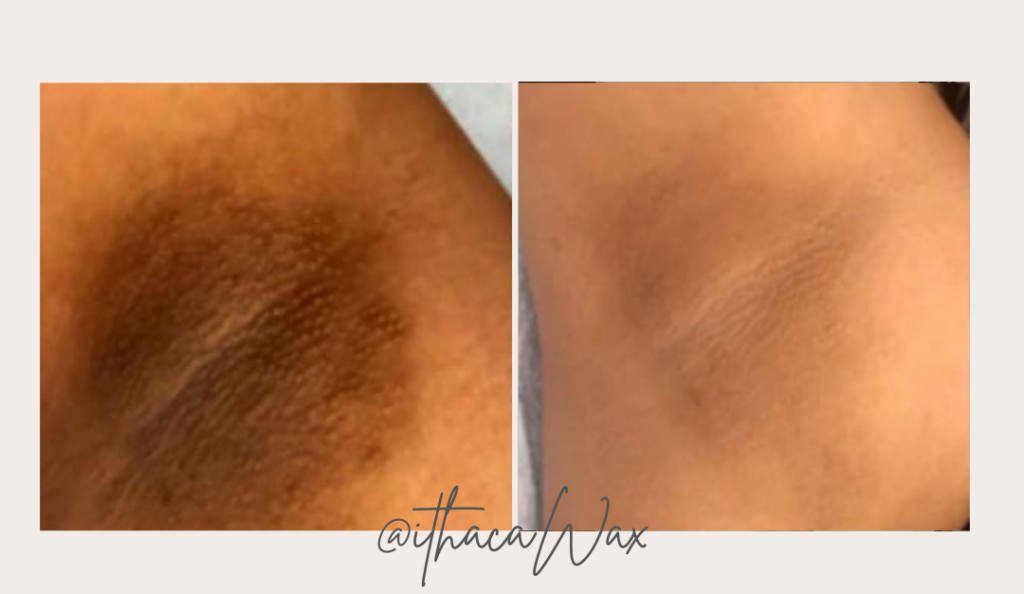
Post-inflammatory hyperpigmentation (PIH) is one of the most common concerns after waxing—especially for sensitive or melanated skin. If you’ve noticed dark spots after a wax or facial, you’re not alone. Here’s how to prevent and safely treat PIH with the right techniques, products, and professional care.
What Is Post-Inflammatory Hyperpigmentation (PIH)?
PIH is the darkening of the skin that occurs after inflammation or injury. Unlike traditional scars, PIH is caused by excess melanin production in response to trauma. For some people, it is simply a natural skin response.
Why PIH Is More Common in Melanated Skin
For melanated clients, melanocytes (pigment-producing cells) are already more active. This means even minor irritation—like a deep extraction or an aggressive wax strip—can trigger excess pigment and lead to dark spots.
How Waxing and Extractions Can Cause PIH
Waxing, especially if done improperly or on unprepared skin, can cause microtears, irritation, and inflammation—leading to hyperpigmentation. Using wax that is too hot or applying it incorrectly in sensitive areas increases the risk.
Extractions can also contribute. While sometimes necessary, forcing out blackheads or pustules without properly softening the skin first can cause trauma, excess pressure, and potential scarring—resulting in lingering dark marks.
How to Prevent Hyperpigmentation After Waxing
Prevention is always more effective than treatment.
Proper skin preparation is key:
- Regular, gentle exfoliation
- Hydrating serums
- Barrier-supporting products
Using high-quality professional wax and proper technique significantly reduces trauma to the skin.
For extractions, prepping the skin with steam, enzymes, or desincrustation products helps loosen debris and allows for easier removal with less force—reducing irritation and the risk of PIH.
Best Products to Help Prevent PIH
Circadia offers several products that support the skin barrier, reduce inflammation, and minimize irritation before waxing or extractions:
- Mandelic Cleanser – A mild exfoliating cleanser that removes dead skin while helping reduce bacteria and inflammation
- AquaPorin Hydrating Cream – Strengthens the skin’s moisture barrier and reduces post-treatment irritation
- Caviar Lime & Passionfruit Enzyme Mask – A gentle enzyme exfoliant that softens debris in pores, making extractions easier and less traumatic
These are products I personally use and trust. There are also comparable options available depending on your preference and skin type.
How to Treat Existing Hyperpigmentation
If hyperpigmentation has already developed, there are effective ways to treat it.
Circadia and PFB products offer targeted support to brighten and even skin tone while maintaining skin health:
- Micro-Exfoliating Honey Cleanser – Gently exfoliates using natural enzymes to help fade discoloration
- Bright White Serum – Targets excess melanin production while calming inflammation
- Vitamin C Reversal Serum – Brightens skin and protects against further discoloration
- Post-Peel Balm – Soothes, hydrates, and supports healing after treatments
- PFB ULTRA – A powerful formula for dark spots and ingrown hairs, featuring ingredients like Shiitake Mushroom, White Water Lily Flower, Plankton Extract, and Chromabright
Can You Use These Products on Bikini & Underarms?
Many people assume that cleansers and serums are only for the face, but many of these products can also be safely used on areas like the underarms and bikini line to help prevent and treat discoloration.
Final Thoughts: How to Avoid PIH After Waxing
Waxing doesn’t have to lead to hyperpigmentation—but it does require the right approach.
Proper skin prep, gentle techniques, and informed aftercare make all the difference. With the right products and professional guidance, you can maintain smooth, even-toned skin without unwanted dark spots.
Because the only thing you should be leaving your appointment with is smooth skin—not long-term discoloration.